
Virtually Returning to the Real World
Virtual reality is an immersive engagement solution, and the interaction is beneficial when training attention and focus on presentation details is desirable. However, it completely removes the subject from any form of real-world communication and human interaction, and collaboration in the virtual space is artificial at best. In our experience working with participants over the past several years on the ECU Project I4, the separation of teacher and learner from the subjects in a classroom environment introduces an element of error when attempting to record interactions.
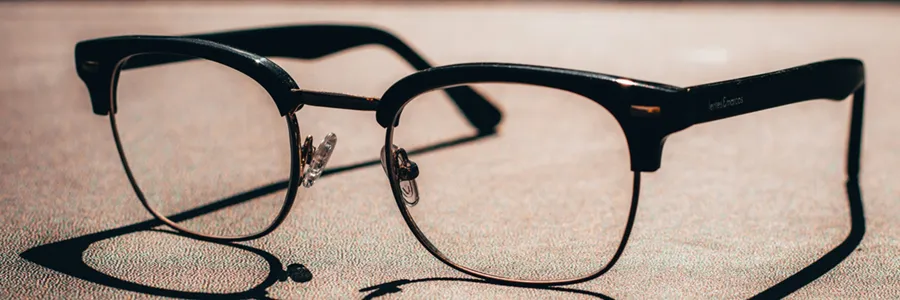
Augmented reality can bridge the gap with an overlay of information without disrupting the normal real-world flow of engagement with participants. AR is a general term for any technology that superimposes virtual information onto the real world, using special glasses, helmets or projection technology. There are hundreds (if not thousands) of hardware and software vendors creating solutions for both consumers and businesses in the AR space. Advances in this technology are addressing usability by making devices lighter without sacrificing the processing power required to drive the display. Design aesthetics are also being solved in the current generation of AR devices, moving the bulk of the processing unit into a smaller form factor and bringing "natural" glasses into the price range of a usable testing device.
User interaction in AR can be performed using a combination of hand control devices (like a laser-pointer clicker) as well as gesture recognition for a hands-free approach.
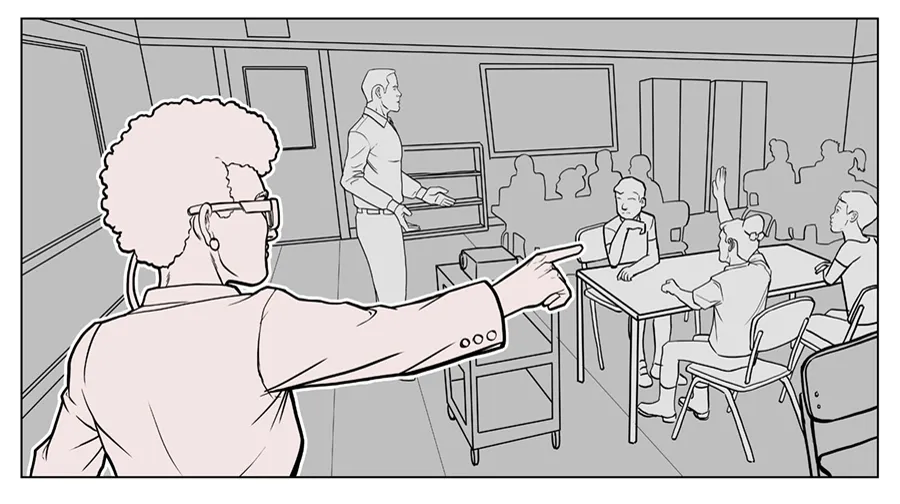
Some AR hardware can track the position of the user's eyes and use it for analytics — storing what was viewed in the real world, and allowing advanced interface interactions that respond to where the user is gazing. This additional level of analytics can provide a deeper understanding not only of areas of engagement, but of patterns between sessions for the same participant, or aggregated across a group.
Initial tests are already underway to experiment with leading AR solutions for the I4 project, with the goal of keeping the flexibility and future scalability of the selected solution.